
Restaurant menu engineering isn’t just about finding the items with the lowest food cost percentage.
Many operators see a 20% food cost and immediately think, “That’s a great item.” But restaurant menu engineering requires looking beyond the percentage and understanding how many actual dollars an item contributes.
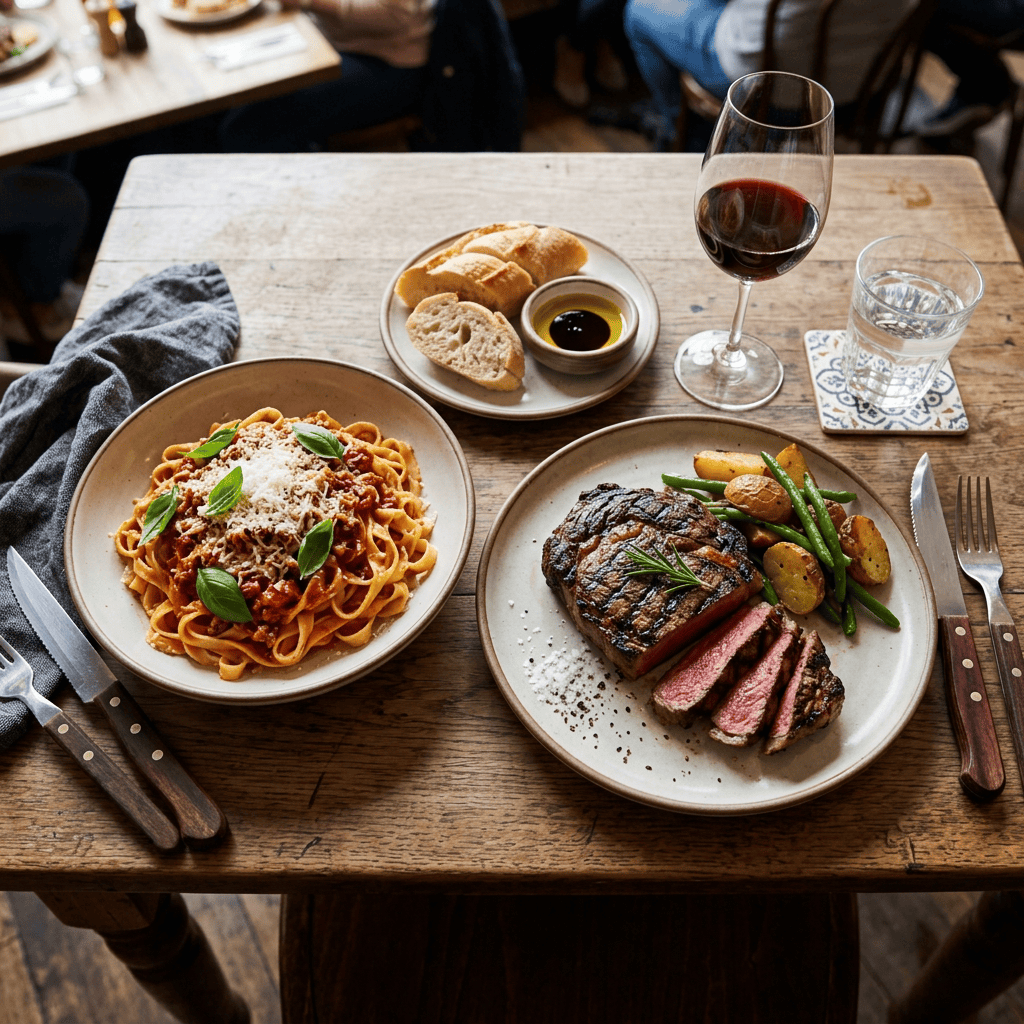
Consider two menu items.
A pasta sells for $20 and costs $4 to produce. That’s a 20% food cost and $16 in contribution.
A steak sells for $60 and costs $30. That’s a 50% food cost, but it contributes $30 per sale.
The steak has a much higher food cost percentage, yet it contributes $14 more every time it sells.
Sell 1,000 of each and that difference becomes $14,000.
This is why restaurant menu engineering should focus on contribution margin alongside food cost percentage, selling price, and sales volume.
Restaurant menu engineering is not about having the lowest percentages. It’s about understanding which items generate the most dollars for your restaurant.
When you approach restaurant menu engineering this way, you can make better decisions about pricing, promotions, menu placement, and what you should actually be pushing to your guests.
Ultimately, restaurant menu engineering is about one simple question:
Which items are helping your restaurant make more money?
That’s the number that matters.


Leave a comment